


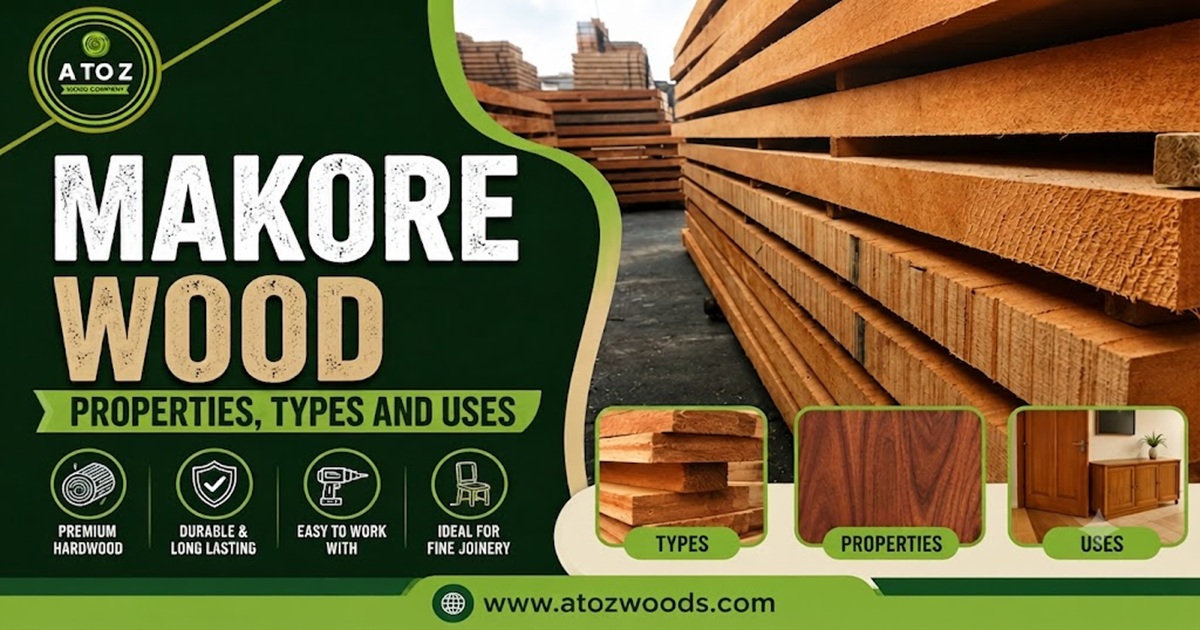
Makore Wood Properties, Types And Uses

Makore wood properites, types and uses

Makore is a fine, highly sought-after African hardwood found in Western and Middle Africa. Prized for its unique appearance, natural durability, and excellent workability, Makore is also sometimes referred to as cherry mahogany due to its similarity to African mahogany. It features an elegant pink or reddish-brown heartwood, often with figured grain patterns. Makore is widely used for making premium furniture, veneers, plywood, cabinetry, flooring, and outdoor projects such as boats.

In this article, we take a deep dive into the physical properties, types, and common uses of Makore hardwood timber.

What is Makore Wood?

Makore (Scientific Name: Tieghemella heckelii or T. africana) is a hardwood timber obtained from trees in the Tieghemella genus within the Sapotaceae family. Native to the tropical rainforests of West and Central Africa, Makore trees are about 180–200 ft (55–60 m) tall with a 4–6 ft (1.2–1.8 m) trunk diameter.

The timber is moderately heavy and looks similar to mahogany. Its unique figured pattern makes it popular for special decorative and artistic applications.

Physical Properties of Makore Wood

Makore wood is known for its excellent combination of beauty and durability.

Color and Appearance

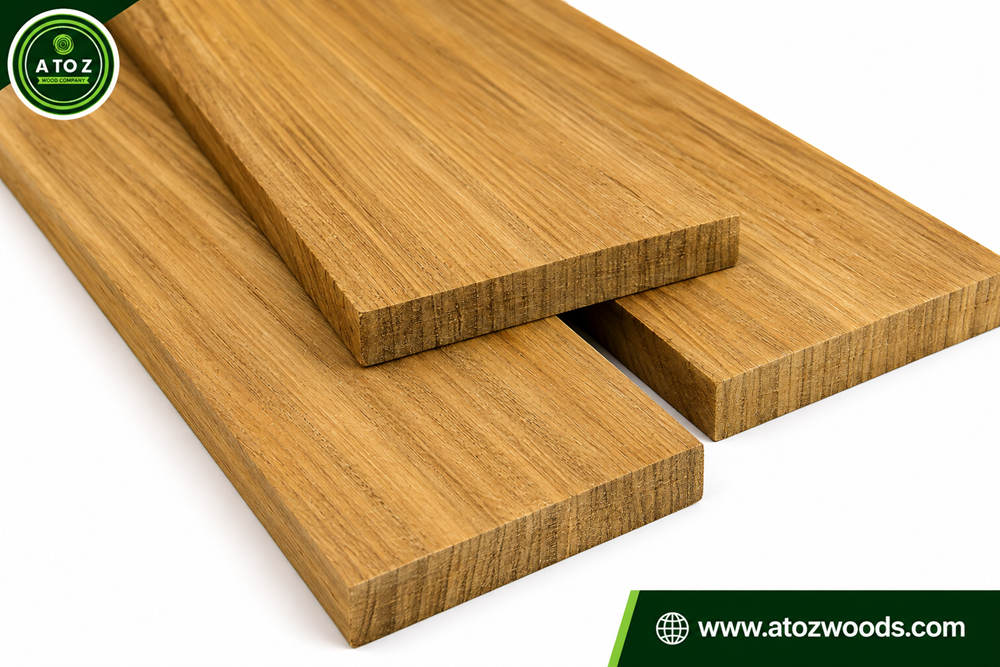
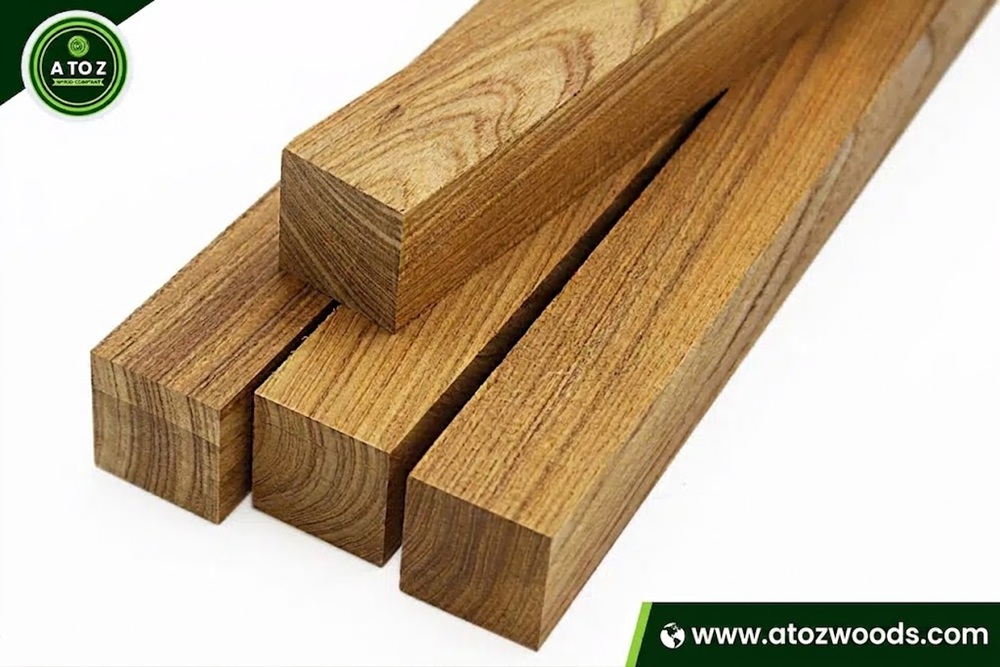
The heartwood ranges from pinkish-brown to reddish-brown or dark red-brown and often darkens with age. The sapwood is light yellowish and clearly separated from the heartwood. Quarter-sawn boards often feature attractive mottled, ribbon, flame, or curly figures that increase the timber’s value for decorative applications.

Grain and Texture

Makore typically has a straight grain, but interlocked grain is not uncommon. The texture is fine to medium with a natural luster (shine).

Density

Makore is moderately heavy. The average dried weight is around 42.9 lbs/ft3, making it easier to handle and work with than many other hardwoods.

Durability

The presence of natural oils makes makore highly durable against decay and insects. The heartwood is naturally resistant to decay by fungi and termite attack, making it suitable for both interior and outdoor applications.

Workability

Generally easy to work with due to its fine texture and straight grain. Direct contact with iron can cause the wood to become discolored and stained. Its high silicon content can cause cutters to blunt. It is generally easy to saw, cut, glue, polish, paint, and finish.

Mechanical Properties

  • Good bending and turning
  • Good dimensional stability after drying
  • High compression strength
  • Moderate hardness
  • Moderate weight
  • Excellent wear resistance
  • Good shock resistance
  • Suitable for heavy-duty construction projects

What are the types (Species) of Makore Wood?

Makore has two major, closely related species.

1. Tieghemella heckelii

This is the most commonly available and traded Makore species. It features a rich reddish-brown color, fine texture, and attractive grain pattern. It is frequently used for premium furniture, veneers, cabinetry, and decorative applications.

2. Tieghemella africana

Often marketed under the same name as Makore (or Douka), this species is almost identical to T. heckelii and is often sold and used interchangeably.

What are the uses of Makore Wood?

Thanks to its attractive appearance, natural durability, and ease of workability, Makore is a popular choice for a wide range of woodworking applications.

Premium Furniture

Makore is extensively used for manufacturing luxury furniture, including dining tables, chairs, cabinets, wardrobes, beds, and office desks. Its rich color tone and visible grain create a sophisticated appearance.

Decorative Veneers

Figured Makore logs are used for making beautiful veneers to be used on furniture panels, tables, doors, wall cladding, and luxury interiors.

Interior Joinery

Makore is widely used for making strong and durable:

  • Doors
  • Window frames
  • Staircases
  • Handrails
  • Moldings
  • Wall paneling

Flooring

Due to its natural durability, structural stability, and wear resistance, Makore is an ideal choice for hardwood flooring in homes, hotels, offices, and commercial buildings.

Cabinetry

Makore’s beautiful, dark brownish tone and excellent response to finish and paint make it highly sought-after for kitchen cabinets, wardrobes, shelves, display units, and storage systems.

Turned and Carved Products

Makore machines cleanly and responds superbly to turning and bending, making it suitable for decorative and ornamental applications, sculptures, and components for musical instruments.

Marine and Exterior Applications

Its natural durability, including resistance to decay and fungi, also makes Makore suitable for boatbuilding, ship interiors, and protected exterior furniture and joinery.

Why use Makore?

  • Beautiful reddish-brown appearance
  • Attractive, unique grain patterns
  • Fine, smooth texture
  • Good workability and machining
  • Good dimensional stability
  • Excellent durability
  • Natural resistance to termites and decay
  • Easy finishing and polishing

Conclusion

Makore is one of the most versatile hardwoods, featuring a perfect combination of beauty, strength, and durability, making it one of the most valuable and sought-after hardwoods in the world. This African exotic wood is prized for its mahogany-like appearance, figured grain patterns, and excellent finishing qualities, making it a favorite for premium furniture, veneers, decorative interior, cabinetry, flooring, and architectural joinery.

If you’re looking for premium, authentic, 100% sustainable Makore hardwood timber, contact AtoZ Wood Company for competitive pricing with assured on-time worldwide delivery. We are a top, globally-recognized African timber wholesaler and exporter, delivering premium hardwoods, softwoods and timber products in 30+ countries. Let’s talk today!
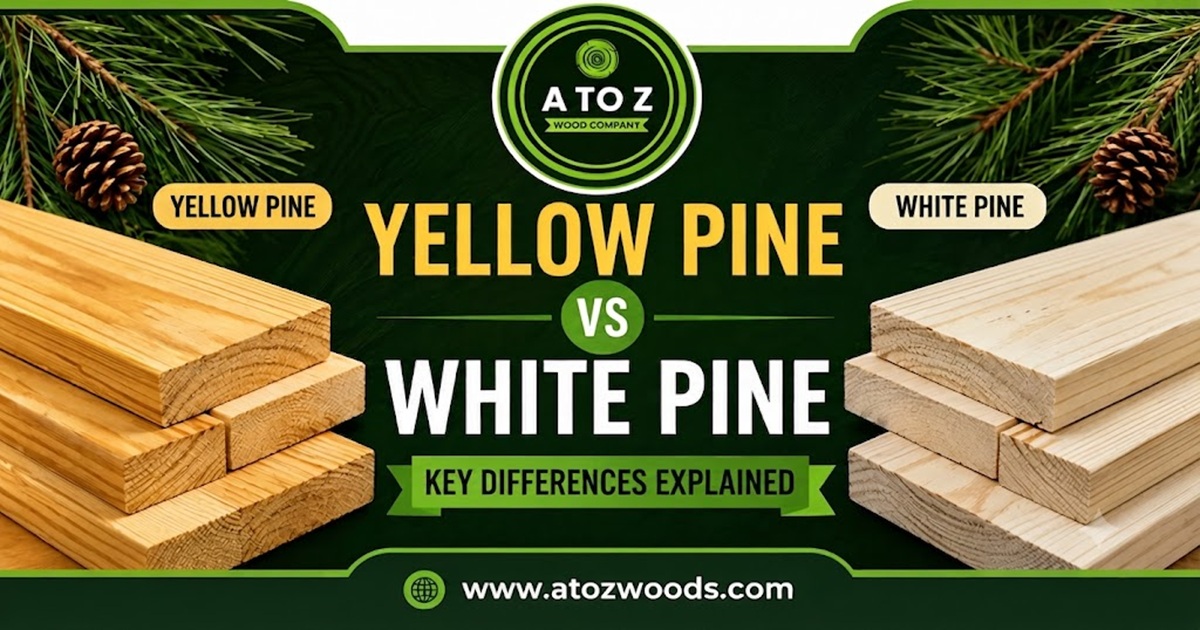
Yellow Pine vs White Pine: Key Differences Explained

yellow pine vs white pine

Pine is one of the most popular timber species in the world. Known for its appealing aesthetics, easy workability, good strength, and competitive pricing, pine comes in many species, with yellow pine and white pine being the most common.

Whether buying timber for construction, furniture making, cabinetry, or interior projects, pine remains an excellent choice. However, choosing the right pine species can be challenging, since all of them share similar characteristics.

In this article, we’ll discuss the major difference between Yellow Pine and White Pine, based on their distinct characteristics, advantages, and applications.

What Is Yellow Pine?

Southern Yellow Pine isn’t a single species but a group of pine species, which includes longleaf, shortleaf, loblolly, and slash pine. Most of these are found in the southeastern United States.

The wood is a yellowish to golden-brown in color with visible grain patterns. Known for its strength and durability, it is widely used in structural applications where strength and stability matter.

Key Characteristics

  • Dense and heavy
  • High strength and load-bearing capacity
  • Attractive Yellowish or golden-brown hue
  • Distinct grain patterns
  • Good to excellent durability
  • Resistant to wear and tear
  • Decent workability; stains and finishes well

Best Uses

  • Structural framing
  • Heavy construction
  • Floor joists
  • Decking
  • Bridges
  • Beams
  • Poles
  • Flooring
  • Plywood
  • Roof trusses
  • Staircases
  • Industrial applications

What Is White Pine?

It is a group of lighter and softer pine species commonly found in North America and Canada. The light brown heartwood is moderately strong and durable and is extensively used in furniture making and home construction. Its easy workability makes it a favorite among woodworkers and craftsmen.

Key Characteristics 

  • Lightweight and easy to handle
  • Moderately durable
  • Light brown color that darkens with age
  • Straight, uniform grain
  • Smooth surface
  • Outstanding workability
  • Minimal shrinkage and warping

Best Uses

  • Furniture making
  • Interior trim
  • Crates & boxes
  • Construction lumber
  • Carving
  • Plywood
  • Boatbuilding

Yellow Pine vs White Pine

Let’s find out the difference between two of the most popular pine species based on appearance, workability, durability and other factors.

1. Appearance

One of the easiest ways to identify Yellow Pine from White Pine is by their appearance.

While Yellow Pine features a rich golden-yellow color with dark grain patterns, White Pine has a lighter cream-colored heartwood with subtle grain lines.

Yellow Pine is ideal for premium applications where bold grain patterns make an immediate impact. White Pine is better suited for a cleaner, softer appearance.

2. Strength and Durability

Yellow Pine stands out for its unmatched strength and hardness, making it one of the strongest softwood species. It’s significantly denser and more durable than White Pine with exceptional load-bearing capabilities. White Pine, on the other hand, is softer and less dense with minimal durability.

3. Workability

Workability refers to the ease of work with hand and machine tools.

White Pine is the clear winner here. Its soft structure and low density make it easier to cut, shape, sand, and nail. It causes less blunting effects on tools.

Yellow Pine’s high density makes it slightly more challenging to cut or saw. It may require sharper tools and more effort.

4. Weight

Weight is a crucial factor when choosing the right timber. Lighter white pine is easy to transport, handle, install, and work with. Yellow Pine, which is considerably heavier, can be more difficult to handle and transport.

5. Resistance to Wear

Due to its high strength and durability, Yellow Pine shows excellent resistance to wear, dents, and scratches, making it perfect for high-traffic areas and heavy-use applications.

White Pine is software and often more prone to dents and everyday wear.

6. Cost

Budget plays a major role in selecting the right timber for a project.

White Pine is typically more affordable due to its easy widespread availability, moderate demand, and easier handling and processing requirements. It’s the perfect wood for interior projects and decorative woodworking.

Yellow Pine typically costs more than white pine, especially for patterned pieces and premium grades. However, its durability and structural stability justify the higher cost.

7. Staining and Finishing

Both woods are generally easy to stain and paint, but the results are often quite different.

Yellow Pine’s darker hue with a solid grain pattern creates a beautiful and instantly appealing stained impression, particularly when colored with darker stains and rustic finishes.

White Pine needs to be conditioned properly in order to achieve even staining. It paints really well and is often the better choice for painted furniture and interior trim work.

Yellow vs White Pine Pros and Cons

Factor Yellow Pine White Pine
Strength High Moderate
Workability Moderate Easy
Weight Heavy Lightweight
Wear Resistance Excellent Low
Cost Higher Affordable
Staining Natural, Rich Results Needs Conditioner
Painting Resin May Bleed Smooth, Even Coverage
Outdoor Use Good (Treated) Limited
Best For Structural & Heavy-Use Interior & Decorative Work

Conclusion

Choosing between Yellow and White Pine is all about your specific project requirements and goals.

Choose Yellow Pine if you need higher strength and durability, better structural integrity and wear resistance, and good outdoor performance (with decay resistance).

Go for White Pine if you seek cost-effective, lightweight timber with easy workability, smooth finishing, and attractive hue for interior woodworking.

At AtoZ Wood Company, we sell all major species of pine, including both yellow pine and white pine. Contact us today to purchase premium-quality pine lumber at wholesale prices with worldwide delivery.

Whether you’re building an exquisite piece of furniture or need reliable wood for a construction project, choosing the right pine species is important. If you’re confused and need help, feel free to contact our support team to talk to a specialist today.

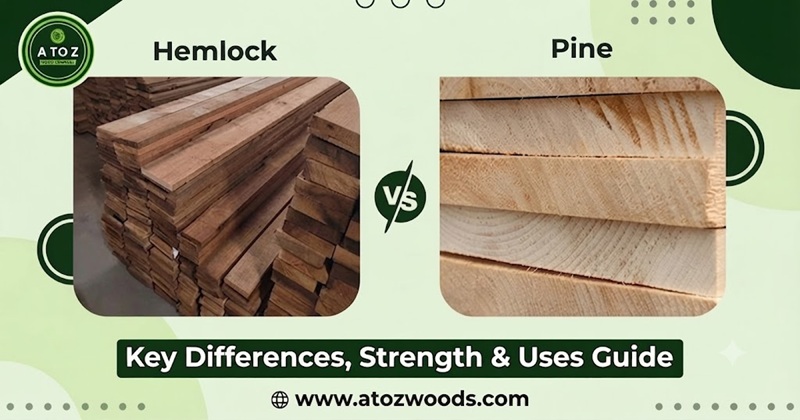
Hemlock vs Pine: Key Differences, Strength & Uses Guide

hemlock vs pine wood

While hemlock and pine wood may appear similar at first glance, these two differ significantly in strength, durability, appearance, workability, and cost.

If you are a builder, contractor, furniture manufacturer, or timber importer looking to make the right choice, this detailed comparison will help you decide which wood suits your project best.

Overview of Hemlock Wood

It is a lightweight softwood primarily sourced from North America and parts of Asia. Western Hemlock is the most commercially used species. It is widely valued in structural framing and industrial applications.

Key Characteristics

  • Color: Light brown with a slight reddish hue

  • Grain Pattern: Straight and uniform

  • Texture: Medium to coarse

  • Density: Moderate (approx. 450 kg/m³)

  • Strength: Good strength-to-weight ratio

  • Resin Content: Low

Advantages

  • Excellent structural performance

  • Stable with minimal warping

  • Takes stain and paint well

  • Good for framing and load-bearing applications

  • Smooth finish when properly planed

Disadvantages

  • Not naturally resistant to decay

  • Low resistance to insects

  • Requires treatment for outdoor use

Hemlock is commonly used in:

  • Structural framing

  • Roof trusses

  • Doors and windows

  • Interior paneling

  • Mouldings

  • Industrial timber components

Overview of Pine Wood

It is one of the most widely used softwoods globally. It grows quickly, making it affordable and easily available. There are many species, including Eastern White Pine, Southern Yellow Pine, and Radiata Pine.

Key Characteristics

  • Color: Pale yellow to creamy white

  • Grain Pattern: Straight but with visible knots

  • Texture: Fine and even

  • Density: Varies by species (400–600 kg/m³)

  • Resin Content: Moderate to high

Advantages

  • Affordable and budget-friendly

  • Lightweight and easy to handle

  • Easy to cut, nail, and glue

  • Good for indoor furniture

  • Widely available

Disadvantages

  • Softer (prone to dents and scratches)

  • Knots may affect structural consistency

  • Needs treatment for outdoor durability

Pine is commonly used in:

  • Furniture manufacturing

  • Interior décor

  • Flooring (treated varieties)

  • Shelving

  • Packaging

  • Construction framing

Hemlock vs Pine: Detailed Comparison

Let’s compare both woods across important decision-making factors.

1. Strength & Structural Performance

When it comes to structural framing, Hemlock generally performs better than standard Pine varieties. It has a more uniform grain structure and fewer knots, which increases its reliability in load-bearing applications.

Southern Yellow Pine, however, is stronger than Hemlock in certain heavy-duty applications due to its higher density.

2. Durability & Outdoor Use

Neither Hemlock nor Pine is naturally highly rot-resistant. Both require pressure treatment for outdoor exposure.

However, treated Pine (especially pressure-treated Pine) is more commonly used for:

  • Decking

  • Fencing

  • Outdoor furniture

Hemlock is less commonly used outdoors unless properly sealed and maintained.

3. Appearance & Grain Pattern

Hemlock has:

  • A cleaner, straighter grain

  • Fewer visible knots

  • More uniform appearance

Pine often contains:

  • Visible knots

  • Rustic aesthetic

  • Color variations

4. Workability & Machining

Pine is easier to machine due to its softness. It cuts, nails, and screws effortlessly. Hemlock, being slightly denser, requires sharper tools but still works well.

For beginners and large-scale furniture production, Pine is often preferred.

5. Cost Comparison

Pine is generally more affordable because:

  • It grows faster

  • It is widely cultivated

  • It has large global supply

Hemlock tends to be slightly more expensive, especially higher grades used in structural applications.

6. Resistance to Warping & Stability

Hemlock is known for dimensional stability. It tends to warp less than lower-grade Pine varieties.

This makes Hemlock a reliable option for:

  • Doors

  • Windows

  • Trim

  • Framing

Choose Pine If You Need:

  • Budget-friendly furniture wood

  • Rustic interior décor

  • Easy-to-work material

  • Outdoor treated lumber

  • Mass production woodworking

Hemlock vs Pine for Furniture

For indoor furniture:

  • Pine is more common due to affordability and ease of machining.

  • Hemlock offers a cleaner look and fewer imperfections.

For premium furniture requiring smooth grain and structural reliability, Hemlock may offer better results. However, Pine remains a top choice for cost-effective furniture production.

Environmental Considerations

Both are softwoods sourced from managed forests. Sustainably harvested timber ensures minimal environmental impact.

When sourcing timber, always choose suppliers that follow:

  • Responsible harvesting practices

  • Sustainable forest management

  • Ethical labor policies

  • Proper kiln drying and treatment

Sustainable sourcing improves durability, reduces waste, and supports eco-friendly construction.

Hemlock vs Pine – Which Is Better?

There is no single “best” wood — it depends entirely on your project requirements.

Factor Hemlock Pine
Strength Good Moderate to High (species dependent)
Cost Moderate Low
Workability Good Excellent
Appearance Clean & uniform Knotty & rustic
Outdoor Use Needs treatment Commonly pressure-treated
Stability Very stable Moderate

Conclusion

Understanding the difference between hemlock and pine helps you select the right timber for strength, budget, durability, and appearance. Both woods serve different purposes in construction and furniture manufacturing.

If you are sourcing timber for bulk supply, commercial projects, or international export, choosing high-quality graded wood from a trusted supplier ensures performance, durability, and long-term value.

Selecting the right wood is not just about cost — it’s about matching the material to the application for maximum efficiency and lifespan.

Padauk vs Rosewood – Which Wood Is Better?

padauk vs rosewood

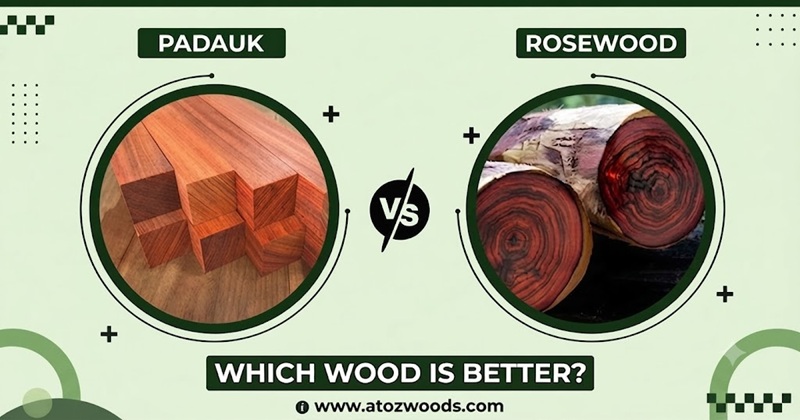
Two premium hardwoods often compared for strength, beauty, and longevity are Padauk and Rosewood. While both are highly valued in the global timber market, they differ significantly in appearance, durability, workability, applications, and price.

In this detailed comparison, we break down Padauk vs Rosewood to help architects, manufacturers, woodworkers, and bulk timber buyers make the right choice.

What Is Padauk Wood?

It is a tropical hardwood primarily sourced from Africa (African Padauk) and parts of Southeast Asia. It is best known for its vibrant reddish-orange color, which deepens into a rich reddish-brown over time.

Key Characteristics of Padauk

  • Color: Bright red to orange-red (darkens with age)

  • Grain: Straight to interlocked

  • Texture: Medium to coarse

  • Density: High

  • Natural oils: Moderate

  • Durability: Very high

It is widely used in flooring, outdoor furniture, decking, staircases, and heavy-duty construction due to its strength and resistance to environmental stress.

What Is Rosewood?

It refers to several species under the Dalbergia genus, sourced mainly from India, Brazil, and parts of Africa. It is famous for its deep brown to purplish tones with dark veining and luxurious appearance.

Key Characteristics of Rosewood

  • Color: Dark brown, purple, or reddish with black streaks

  • Grain: Straight to wavy

  • Texture: Fine and smooth

  • Density: Very high

  • Natural oils: High

  • Durability: Excellent (indoor-focused)

It has long been associated with luxury furniture, musical instruments, decorative veneers, and high-end interiors.

Padauk vs Rosewood: Quick Comparison Table

Feature Padauk Rosewood
Wood Type Tropical hardwood Tropical hardwood
Color Bright red/orange Dark brown to purple
Grain Pattern Straight to interlocked Wavy with dark streaks
Durability Extremely durable Highly durable
Moisture Resistance Very high High
Outdoor Use Excellent Limited
Workability Moderate Difficult (oily)
Sustainability More available Restricted species
Price Mid to high Very high

Durability & Strength Comparison

When it comes to hardness and longevity, both woods perform exceptionally well.

  • Padauk is highly resistant to rot, termites, fungi, and moisture, making it ideal for outdoor and structural use.

  • Rosewood is extremely dense and strong but is best suited for indoor applications, as constant outdoor exposure can affect its appearance.

Appearance & Aesthetic Appeal

  • Padauk stands out due to its bold, vibrant color, making it a popular choice for modern and statement designs.

  • Rosewood offers a classic, elegant look, often associated with premium craftsmanship and traditional furniture.

If visual impact is your priority:

  • Choose Padauk for bold and contemporary designs

  • Choose Rosewood for rich, timeless luxury

Workability & Finishing

  • Padauk machines well but can be abrasive on tools due to its density.

  • Rosewood, because of its high oil content, can be difficult to glue and finish, requiring experienced handling.

Common Uses of Padauk vs Rosewood

Padauk Wood Uses

  • Outdoor furniture

  • Decking & pergolas

  • Flooring

  • Staircases

  • Heavy-duty furniture

  • Exterior cladding

Rosewood Uses

  • Luxury furniture

  • Musical instruments

  • Decorative panels

  • Veneers

  • Handcrafted items

  • Premium interior décor

Price & Availability

  • Padauk wood price is generally more affordable and stable in the international market.

  • Rosewood price is significantly higher due to limited availability, export restrictions, and conservation laws.

For bulk timber supply, Padauk is easier to source and ship legally compared to many Rosewood species.

Sustainability & Legal Considerations

Rosewood species are often protected under CITES regulations, making international trade complex and heavily regulated.

Padauk, when sourced from sustainably managed forests, offers a more reliable and eco-friendly option for global buyers.

Which Wood Should You Choose?

Choose Padauk if you need:

  • Strong outdoor performance

  • Moisture and insect resistance

  • Cost-effective bulk supply

  • Bold, modern aesthetics

Choose Rosewood if you need:

  • Luxury indoor furniture

  • Rich, decorative appearance

  • Premium craftsmanship material

  • Exclusive, high-value projects

Conclusion

Both woods are exceptional hardwoods, but they serve different purposes. Padauk excels in durability, versatility, and outdoor use, while Rosewood dominates in luxury, elegance, and fine detailing.

Understanding your project requirements, budget, and legal considerations will help you make the right choice between the two.

Cedar vs Pine: Which Wood Is Best for Your Project?

difference between cedar and pine wood

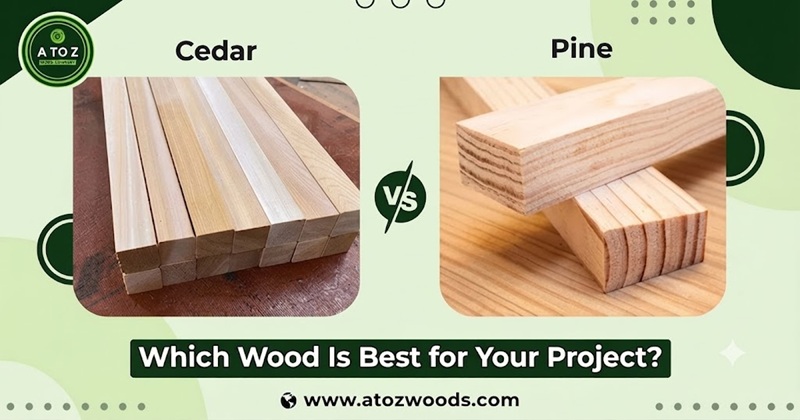
When selecting timber for construction, furniture manufacturing, or outdoor applications, choosing the right wood species is critical. Two of the most commonly compared softwoods in the global timber market are Cedar and Pine. While both are versatile and widely used, they differ significantly in durability, strength, appearance, cost, and ideal applications.

At AtoZ Wood Company, we supply high-quality Cedar and Pine timber to buyers across Asia, the Middle East, Europe, Australia, and North America. This detailed comparison will help you decide which timber best suits your project requirements.

What Is Cedar Wood?

It is a premium softwood known for its natural oils, resistance to decay, and long outdoor lifespan. It performs exceptionally well in harsh weather conditions without chemical treatment, making it a preferred choice for exterior applications.

Key Features 

  • Naturally resistant to rot, fungi, and termites

  • Excellent moisture resistance

  • Lightweight and dimensionally stable

  • Distinctive aroma and smooth grain

  • Low maintenance over time

Popular Cedar Types Supplied Globally

  • Western Red Cedar

  • Eastern White Cedar

  • Yellow Cedar

What Is Pine Wood?

pine

It is one of the most widely used and commercially important softwoods worldwide. Known for its strength, affordability, and ease of processing, Pine is extensively used in construction and furniture manufacturing.

Key Features

  • High strength-to-weight ratio

  • Easy to cut, machine, and finish

  • Accepts paint and stains well

  • Cost-effective for bulk supply

  • Widely available from sustainable plantations

Common Pine Varieties

  • Radiata Pine

  • White Pine

  • Yellow Pine

Cedar vs Pine: Side-by-Side Comparison

1. Durability & Resistance

Property Cedar Pine
Rot Resistance Excellent (natural oils) Low (unless treated)
Termite Resistance High Moderate
Moisture Resistance Very high Low

2. Strength & Structural Performance

Factor Cedar Pine
Density Low–Medium Medium–High
Load Bearing Moderate High

3. Appearance & Finish

Cedar

  • Rich reddish-brown to honey tones

  • Straight, fine grain

  • Naturally elegant finish

Pine

  • Light yellow to pale brown

  • Prominent knots (rustic appeal)

  • Can be stained to resemble hardwood

4. Workability & Maintenance

Aspect Cedar Pine
Machining Easy Very easy
Maintenance Low Moderate
Outdoor Treatment Not required Required

5. Cost & Market Availability

Factor Cedar Pine
Price Higher Affordable
Bulk Availability Moderate High

Best Uses of Cedar and Pine

Cedar Wood Applications

  • Outdoor decking

  • Garden and patio furniture

  • Fencing and cladding

  • Sauna interiors

  • Boat building

  • Exterior architectural elements

Pine Wood Applications

  • Structural framing

  • Furniture manufacturing

  • Doors and windows

  • Flooring (treated)

  • Pallets and packaging

  • Interior joinery

Sustainability & Responsible Sourcing at AtoZ Wood Company

At AtoZ Wood Company, sustainability is at the core of our operations.

  • Pine is sourced from fast-growing, managed plantations, ensuring high renewability.

  • Cedar is harvested under strict sustainable forestry guidelines to preserve biodiversity.

  • Our operations follow eco-friendly harvesting, processing, and exporting standards.

We ensure ethical labor practices, minimal environmental impact, and long-term forest management—so our clients receive timber that meets both quality and sustainability expectations.

Cedar vs Pine: Which Should You Choose?

Choose Cedar if you need:

  • Long-lasting outdoor timber

  • Natural resistance without chemicals

  • Premium appearance and minimal upkeep

Choose Pine if you need:

  • Strong, structural wood

  • Cost-effective bulk supply

  • Versatile material for interiors and manufacturing

Conclusion

Both are excellent softwoods, but they serve different purposes. Cedar excels in outdoor durability and premium applications, while Pine dominates in affordability, strength, and large-scale use.

For global buyers, builders, furniture manufacturers, and importers, the right choice depends on project requirements, climate conditions, and budget.

Lumber Manufacturers in USA: Industry Overview

USA lumber manufacturers

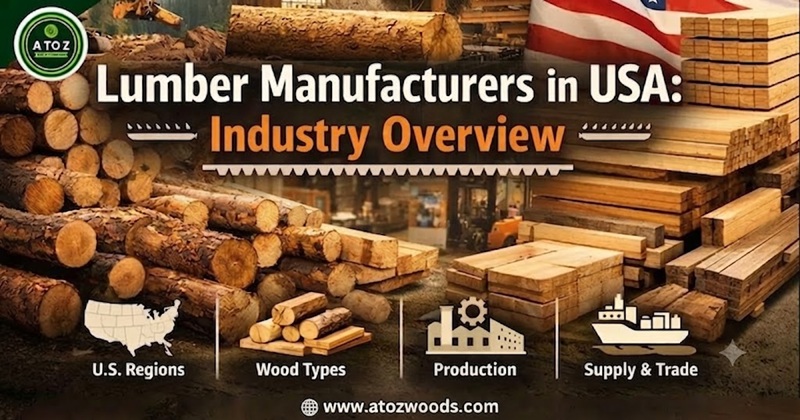
The United States is one of the world’s largest consumers of lumber, driven by strong demand from construction, furniture manufacturing, flooring, packaging, and infrastructure projects. With thousands of lumber manufacturers operating across the country, buyers often face one critical challenge: finding reliable, scalable, and sustainable lumber suppliers at competitive prices.

In this guide, we explore the U.S. lumber manufacturing landscape, key lumber-producing regions, popular wood types, current market challenges, and why many American buyers now partner with international timber suppliers like AtoZ Wood Company to secure consistent, high-quality lumber supply.

Overview of the Lumber Manufacturing Industry in the USA

Lumber manufacturing in the USA is a highly developed industry supported by advanced sawmilling technology, strict quality standards, and extensive forest resources. U.S. lumber manufacturers primarily process softwoods for construction and hardwoods for furniture, cabinetry, and interior applications.

Key Industry Facts:

  • The USA is among the top global lumber consumers
  • Strong demand from housing, remodeling, and commercial construction
  • Increasing focus on sustainable and certified wood
  • Rising lumber prices due to supply constraints and regulations

While domestic manufacturers remain vital, many U.S. buyers supplement their sourcing with imported lumber to manage costs, availability, and species diversity.

Major Lumber Manufacturing Regions in the USA

1. Pacific Northwest (Oregon & Washington)

This region is known for:

  • Douglas Fir
  • Western Hemlock
  • Cedar

These species are widely used in construction, structural beams, and outdoor applications due to their strength and durability.

2. Southern United States

States like Georgia, Alabama, and Mississippi dominate softwood production, especially:

  • Southern Yellow Pine
  • Loblolly Pine
  • Slash Pine

Southern mills benefit from fast-growing plantations but face increasing demand pressure.

3. Midwest & Great Lakes Region

Traditionally known for hardwood production, including:

  • Oak
  • Maple
  • Ash
  • Cherry

These hardwoods are popular for furniture, flooring, and cabinetry.

4. Appalachian Region

This region produces premium hardwoods and supplies many domestic furniture and millwork manufacturers.

Popular Wood Types Used by U.S. Lumber Manufacturers

Softwoods:

  • Pine
  • Fir
  • Spruce
  • Cedar

Used mainly for:

  • Framing
  • Roofing
  • Decking
  • Pallets

Hardwoods:

  • Oak
  • Walnut
  • Maple
  • Hickory
  • Cherry

Used for:

  • Furniture manufacturing
  • Flooring
  • Interior finishing
  • High-end woodworking

However, many tropical and exotic hardwoods are not locally available, creating demand for imported lumber.

Challenges Facing Lumber Manufacturers in the USA

Despite a strong industry, U.S. wood manufacturers face several ongoing challenges:

1. Rising Raw Material Costs

Forest management regulations, land costs, and labor expenses have increased production costs.

2. Supply Limitations

Domestic forests cannot meet total demand, especially for:

  • Exotic hardwoods
  • Large-dimension timber
  • Specialty wood species

3. Environmental Regulations

Stricter harvesting rules limit output and increase lead times.

4. Price Volatility

Seasonal demand and global trade fluctuations impact lumber pricing.

As a result, many manufacturers, wholesalers, and construction companies look beyond domestic markets.

Why U.S. Buyers Import Lumber?

Importing lumber has become a strategic move rather than a last resort. Key benefits include:

  • Access to diverse wood species
  • Competitive lumber prices
  • Bulk availability for large projects
  • Stable long-term supply contracts
  • Sustainable forestry options

This is where AtoZ Wood Company plays a crucial role.

AtoZ Wood Company: A Trusted Lumber Supplier for the USA Market

While the USA has strong domestic wood manufacturers, AtoZ Wood Company complements U.S. supply chains by providing high-quality imported lumber tailored to American standards.

What Sets AtoZ Wood Company Apart?

1. Wide Range of Lumber Products

AtoZ supplies:

  • Hardwood logs
  • Sawn timber
  • Wood slabs
  • Custom-cut lumber
  • Treated and kiln-dried wood

Popular species supplied to U.S. buyers include:

  • African Mahogany
  • Teak alternatives
  • Iroko
  • Okoume
  • Sapele
  • Afromosia

Tropical hardwoods for furniture and decking

2. Sustainable & Certified Sourcing

AtoZ follows strict sustainable forestry practices:

  • Controlled harvesting (limited trees per hectare)
  • Long regeneration cycles
  • Eco-friendly processing methods

Ethical labor and community development

This aligns with the growing sustainability requirements of U.S. lumber buyers.

3. Bulk & Project-Based Supply

Whether you are a:

  • Lumber wholesaler
  • Construction company
  • Furniture manufacturer
  • Flooring supplier

AtoZ offers bulk shipment capacity with consistent quality and specifications.

4. Competitive Lumber Pricing

By sourcing directly from managed forests and processing facilities, AtoZ helps U.S. buyers:

  • Reduce procurement costs
  • Minimize middlemen
  • Lock in stable pricing

5. Worldwide Shipping to the USA

AtoZ exports lumber to major U.S. ports with:

  • Proper documentation
  • Export compliance
  • Secure packaging
  • Reliable lead times

Lumber Manufacturers in USA vs International Timber Suppliers

Factor U.S. Manufacturers AtoZ Wood Company
Species Variety Limited to local species Wide global selection
Price Stability Affected by domestic demand More competitive pricing
Bulk Availability Often limited High-volume supply
Sustainability Region-based Managed forests & eco policies
Custom Orders Limited flexibility Tailored specifications

For many U.S. buyers, the ideal strategy is a hybrid sourcing model—combining domestic lumber manufacturers with reliable international suppliers like AtoZ.

How to Choose the Right Lumber Supplier in the USA Market

When sourcing lumber, buyers should consider:

  • Wood species suitability

  • Moisture content & grading

  • Sustainability certifications

  • Shipping reliability

  • Long-term supply capability

  • Transparent pricing

AtoZ Wood Company meets these criteria while offering added flexibility for large-scale buyers.

Conclusion

The U.S. lumber manufacturing industry remains strong, but growing demand, supply constraints, and sustainability requirements have reshaped how buyers source wood. While domestic lumber manufacturers are essential, imported lumber plays a vital role in maintaining supply chain stability.

AtoZ Wood Company stands as a reliable partner for U.S. businesses, delivering sustainably sourced, high-quality lumber at competitive prices—supporting construction, furniture, and manufacturing projects across the United States.

If you are looking beyond traditional lumber manufacturers in the USA and want a trusted global timber supplier, AtoZ Wood Company is your ideal partner.

Công Ty Gỗ AtoZ – Công Ty Gỗ Uy Tín Số 1 Tại Việt Nam

Công Ty Gỗ AtoZ

Trong bối cảnh nhu cầu sử dụng gỗ tự nhiên, gỗ xẻ và gỗ xuất khẩu chất lượng cao tại Việt Nam ngày càng tăng, việc lựa chọn một nhà cung cấp gỗ uy tín, minh bạch và bền vững là yếu tố then chốt đối với các doanh nghiệp xây dựng, nội thất, sản xuất đồ gỗ và xuất nhập khẩu.
Công Ty Gỗ AtoZ tự hào là đối tác cung ứng gỗ quốc tế đáng tin cậy, phục vụ khách hàng tại Việt Nam và hơn 30 quốc gia trên toàn thế giới.

Giới Thiệu Về Công Ty Gỗ AtoZ

Công Ty Gỗ AtoZ là doanh nghiệp chuyên xuất khẩu, phân phối và môi giới gỗ tự nhiên, bao gồm cả gỗ cứng (hardwood) và gỗ mềm (softwood), với chuỗi cung ứng khép kín từ rừng trồng đến cảng xuất khẩu.

Với nhiều năm kinh nghiệm trong ngành gỗ quốc tế, Công Ty Gỗ AtoZ đã xây dựng danh tiếng vững chắc nhờ:

  • Nguồn gỗ hợp pháp, có thể truy xuất nguồn gốc

  • Sản lượng ổn định cho đơn hàng số lượng lớn

  • Giá gỗ cạnh tranh trên thị trường quốc tế

  • Cam kết mạnh mẽ về phát triển gỗ bền vững

Vì Sao Khách Hàng Việt Nam Tin Chọn Công Ty Gỗ AtoZ?

1. Nguồn Gỗ Bền Vững – Tuân Thủ Tiêu Chuẩn Quốc Tế

Sở hữu và quản lý hàng nghìn hecta rừng được cấp phép khai thác bền vững, áp dụng quy trình:

  • Chỉ khai thác tối đa 2 cây/hecta/năm

  • Chu kỳ sinh trưởng cây lên đến 30 năm trước khi khai thác

  • Ứng dụng công nghệ định vị địa lý (Geo-referencing) và Forest Compass System

Điều này đảm bảo nguồn cung lâu dài, không phá rừng, phù hợp với các tiêu chuẩn môi trường mà thị trường Việt Nam và quốc tế yêu cầu.

2. Danh Mục Sản Phẩm Gỗ Đa Dạng

Công Ty Gỗ AtoZ cung cấp đầy đủ các dòng sản phẩm gỗ cho nhiều mục đích sử dụng:

  • 🌳 Gỗ tròn (Wood Logs)

  • 🪵 Gỗ xẻ (Sawn Timber)

  • 📏 Gỗ slab, gỗ nguyên tấm

  • 🔨 Gỗ gia công, gỗ sấy, gỗ xử lý

  • ♻️ Sản phẩm phụ từ gỗ

Các loại gỗ phổ biến:

  • Gỗ Okoume

  • Gỗ Gõ đỏ, Gỗ Doussie

  • Gỗ Teak (Tếch)

  • Gỗ Mahogany (gụ)

  • Gỗ Sapele, Afromosia, Wenge, Bubinga, Bilinga

  • Gỗ thông, gỗ mềm phục vụ xây dựng

3. Năng Lực Xuất Khẩu Gỗ Toàn Cầu

Công Ty Gỗ AtoZ hiện đang xuất khẩu gỗ sang:

  • 🇻🇳 Việt Nam

  • 🇨🇳 Châu Á

  • 🇦🇺 Châu Đại Dương

  • 🇺🇸 Hoa Kỳ

  • 🇪🇺 Châu Âu

  • 🇲🇪 Trung Đông

Công Ty Gỗ AtoZ hỗ trợ đầy đủ chứng từ xuất khẩu, bao gồm:

  • CO, Packing List, Invoice

  • Bill of Lading

  • Chứng nhận nguồn gốc gỗ hợp pháp

  • Hồ sơ hải quan minh bạch

Chính Sách Phúc Lợi Lao Động & Trách Nhiệm Xã Hội

Không chỉ tập trung vào chất lượng gỗ, Công Ty Gỗ AtoZ còn chú trọng đến con người và cộng đồng địa phương:

  • Cung cấp nhà ở, thực phẩm và chăm sóc y tế cho công nhân

  • Đào tạo an toàn lao động và khai thác gỗ tác động thấp

  • Trả lương công bằng, đảm bảo điều kiện làm việc an toàn

  • Đóng Forest Royalties để hỗ trợ phát triển cộng đồng địa phương

Đây chính là yếu tố giúp Công Ty Gỗ AtoZ được đánh giá cao bởi các đối tác Việt Nam đang tìm kiếm nhà cung cấp gỗ có đạo đức và trách nhiệm.

Giải Pháp Linh Hoạt Cho Doanh Nghiệp Việt Nam

Công Ty Gỗ AtoZ mang đến các giải pháp phù hợp cho:

  • Doanh nghiệp nhập khẩu gỗ lần đầu

  • Nhà máy sản xuất đồ gỗ xuất khẩu

  • Công ty xây dựng & nội thất cao cấp

  • Thương nhân và nhà môi giới gỗ

👉 Đặc biệt, AtoZ cung cấp chương trình lô hàng đầu tiên rủi ro thấp, giúp doanh nghiệp Việt Nam kiểm tra chất lượng trước khi mở rộng đơn hàng lớn.

Cam Kết Của Công Ty Gỗ AtoZ Tại Thị Trường Việt Nam

✔ Gỗ đạt chuẩn xuất khẩu
✔ Giá gỗ cạnh tranh & minh bạch
✔ Giao hàng đúng tiến độ
✔ Nguồn cung ổn định lâu dài
✔ Đối tác đáng tin cậy cho phát triển bền vững

Kết Luận

Nếu bạn đang tìm kiếm nhà cung cấp gỗ uy tín tại Việt Nam, có khả năng cung ứng gỗ số lượng lớn, chất lượng cao và hợp pháp, thì  Công Ty Gỗ AtoZ chính là lựa chọn lý tưởng.

Với kinh nghiệm quốc tế, nguồn rừng bền vững và cam kết dài hạn, Công Ty Gỗ AtoZ không chỉ bán gỗ – mà còn xây dựng quan hệ đối tác bền vững cùng doanh nghiệp Việt Nam.

How to Become a Successful Timber Broker in 2026

successful timber broker

The timber industry continues to grow as global demand for wood products rises — driven by construction, furniture, renewable materials, and sustainability efforts. In 2026, becoming a successful timber broker isn’t just about buying and selling wood; it’s about mastering market trends, building strong relationships, leveraging digital tools, and maintaining ethical and sustainable practices.

If you’re ready to take your timber brokering career to the next level, this guide will walk you through step-by-step strategies, industry insights, and actionable tips that can truly make you stand out in the competitive timber market.

What Is a Timber Broker?

A timber broker is a professional intermediary who connects timber suppliers (forest owners, mills, exporters) with buyers (manufacturers, wholesalers, retailers). Brokers facilitate transactions, negotiate prices, handle logistics, and ensure quality standards — often without owning inventory themselves.

This position demands:

  • Deep market knowledge

  • Strong negotiation skills

  • Trustworthy relationships

  • Understanding of legal, environmental, and logistical nuances

Becoming a successful broker means mastering all of these traits and more.

Why Timber Brokering Is a Lucrative Career in 2026

The timber industry is undergoing major transformation due to:

  • Sustainability demands

  • Traceability requirements

  • Global infrastructure growth

  • Renewables & eco-friendly construction trends

Today’s buyers demand responsibly sourced wood. This creates an opportunity for brokers who can confidently deliver verified, high-quality timber products while ensuring compliance with environmental standards.

With the right strategy, you can build a profitable business that thrives on trust and transparency — essential traits in 2026 markets.

Step-by-Step Roadmap to Becoming a Leading Timber Broker

1. Build Deep Timber Market Knowledge

Before engaging in transactions:

  • Study timber species, grades, and uses

  • Understand global market pricing

  • Learn trade regulations and certifications (e.g., FSC, PEFC)

  • Monitor demand trends in USA, EU, India, China, Middle East, and Oceania

2. Learn Trading and Negotiation

Brokers are negotiators at heart. Strengthen your skills by:

  • Practicing win-win negotiation techniques

  • Understanding buyer motivations and supplier constraints

  • Using data to justify pricing and terms

3. Build a Strong Network of Suppliers and Buyers

Your network is your capital as a broker.

Focus on:

  • Forest owners and plantation operators

  • Sawmills and processing units

  • Importers, manufacturers, and wholesalers

  • Logistics providers

Attend timber expos, trade fairs, and forestry conferences. Join industry associations to expand reach.

Partnering with established companies can accelerate growth — for example, explore collaboration opportunities with companies like AtoZ Wood Company through their brokerage services.

4. Understand Legal & Compliance Requirements

Timber brokering involves:

  • Contract negotiation

  • Compliance with export-import regulations

  • Understanding phytosanitary standards

  • Ensuring proper documentation (CITES, customs paperwork)

Don’t overlook legal responsibilities — hire a consultant or legal advisor if needed.

5. Master Digital Tools & Platforms

In 2026, digital presence matters. Embrace:

  • CRM systems for client management

  • Market intelligence and pricing apps

  • Online listing platforms

  • Digital contracts and e-signatures

6. Provide Excellent Customer Service

Reputation sets apart the best brokers. Go beyond transactions by:

  • Offering transparent pricing breakdowns

  • Providing quality assurance insights

  • Responding quickly to queries

  • Handling logistics tracking for clients

Repeat customers and referrals are gold in timber brokering.

7. Understand Logistics & Supply Chain Challenges

Reliable delivery is key. Brokers must coordinate:

  • Port clearances

  • Inland transport

  • Packaging and palletization

  • Insurance coverage

Partner with trustworthy logistics firms that specialize in wood exports.

8. Stay Ethical & Promote Sustainability

Current markets value responsibly sourced timber. Buyers often require:

  • Chain-of-custody certifications

  • Verified harvest dates

  • Traceability from forest to delivery

Brokers who can assure transparency and sustainability will enjoy:

  • Premium pricing

  • Better client retention

  • Wider market access

Essential Skills Every Timber Broker Needs in 2026

Skill Why It Matters
Market Research Helps you spot trends and price fluctuations early
Negotiation Secures better deals for both buyers and sellers
Communication Builds trust and clarity with clients
Legal Understanding Prevents disputes and regulatory issues
Tech Savvy Improves efficiency and reach
Sustainability Knowledge Aligns with global eco-compliance standards

How to Find Your First Clients as a New Broker

Start with:

  • Local sawmills and plantation owners

  • Niche wood buyers (furniture makers, specialty wood importers)

  • Online marketplaces for timber products

  • Industry networking events and forums

Offer introductory pricing or pilot shipments to build trust.

How Strategic Partnerships Elevate Your Brokerage

Partnering with established timber players adds credibility, access, and supply depth. For example:

👉 Partner with AtoZ Wood Company — a globally trusted timber supplier with sustainable sourcing and export experience. Becoming a partner can help you:

  • Expand your supply network

  • Offer diverse wood species and grades

  • Provide efficient export logistics

  • Deliver consistent quality

Explore partnership benefits here: ../../partner-with-us/

Partner With AtoZ Wood Company: Build a Profitable & Sustainable Timber Business in 2026

In the evolving global timber industry, strategic partnerships matter more than ever. As demand for responsibly sourced, high-quality timber continues to rise across construction, furniture, and infrastructure sectors, businesses are actively seeking reliable, transparent, and scalable timber partners.

This is where AtoZ Wood Company stands apart.

If you are a timber broker, importer, distributor, wholesaler, construction supplier, or wood trader, partnering with AtoZ Wood Company in 2026 can unlock long-term growth, stable supply, and global market access.

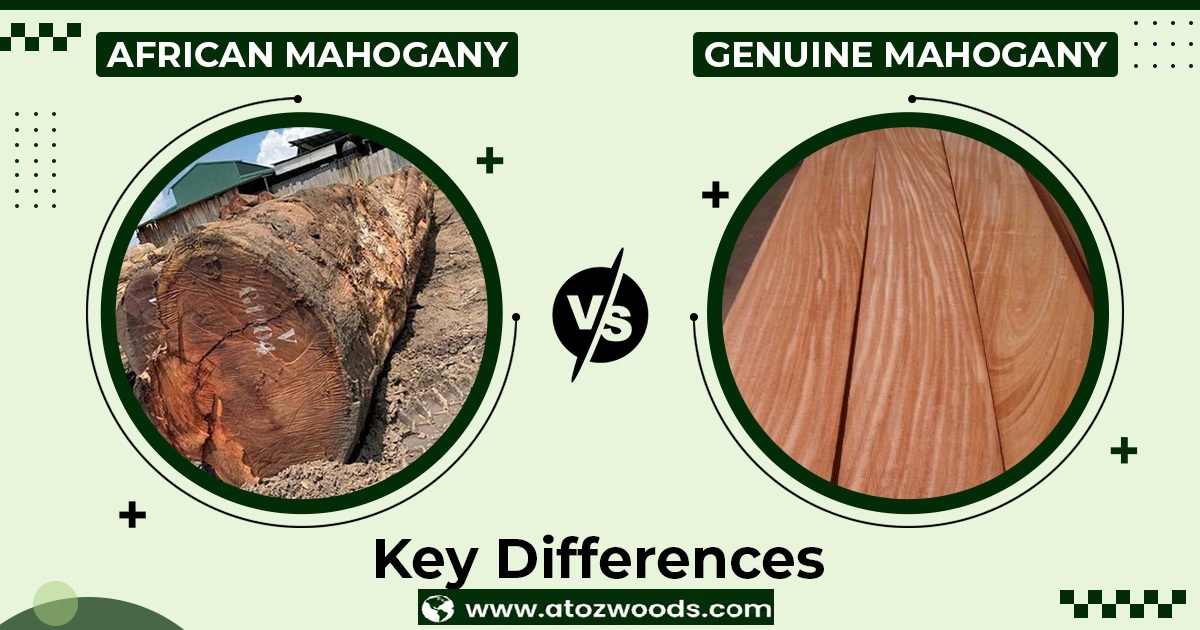
African Mahogany vs Genuine Mahogany – Key Differences

african mahogany vs genuine mahogany

Mahogany is one of the most sought-after hardwoods in the global timber trade. However, many buyers often confuse African Mahogany with Genuine Mahogany, assuming they are the same species. In reality, they differ significantly in botanical classification, durability, appearance, price, and applications.

This detailed comparison will help you understand the real differences between the two, enabling you to make an informed choice for furniture manufacturing, construction, marine use, or bulk timber sourcing.

Understanding the Two Mahoganies

What Is African Mahogany?

It refers to several hardwood species native to West and Central Africa, mainly from the Khaya genus, including:

  • Khaya ivorensis

  • Khaya senegalensis

  • Khaya anthotheca

  • Khaya grandifoliola

These species are widely exported for furniture, doors, plywood, flooring, and boat building, making it a major player in the international timber market.

What Is Genuine Mahogany?

It is also known as True Mahogany, comes from the Swietenia genus, primarily:

  • Swietenia macrophylla (Honduran Mahogany)

  • Swietenia mahagoni (Cuban Mahogany – now restricted)

Native to Central and South America, Genuine Mahogany is considered the premium benchmark hardwood, prized for its consistency, beauty, and exceptional workability.

African Mahogany vs Genuine Mahogany: Technical Comparison

Feature African Mahogany Genuine Mahogany
Botanical Genus Khaya Swietenia
Origin Africa Central & South America
Density (12% MC) 530–670 kg/m³ 480–640 kg/m³
Durability Class Moderately durable Durable
Stability Good Excellent
Grain Pattern Interlocked Straight & uniform
Color Pinkish brown to reddish Deep reddish-brown
Workability Good (may tear) Excellent
Price More affordable Premium & expensive
Availability Widely available Limited supply

Strength, Durability & Performance

African Mahogany Performance

It offers good strength and moderate natural durability, making it suitable for:

  • Interior furniture

  • Doors and frames

  • Veneers and plywood

  • Medium-duty construction

However, its interlocked grain can cause tearing during machining if not handled correctly.

Genuine Mahogany Performance

It is renowned for its exceptional dimensional stability, minimal movement, and resistance to warping. This makes it ideal for:

  • High-end furniture

  • Luxury interiors

  • Musical instruments

  • Marine and boat components

Its consistent grain allows for precise cutting, shaping, and finishing.

Appearance & Aesthetic Differences

  • African Mahogany typically displays a lighter tone with more variation in color and grain, making it suitable for large projects where cost efficiency matters.

  • Genuine Mahogany offers a rich, deep, uniform reddish-brown hue that darkens beautifully with age, making it the preferred choice for luxury applications.

Workability & Finishing

  • African Mahogany machines well but may require sharp tools due to grain interlocking.

  • Genuine Mahogany is considered one of the best woods to work with, responding excellently to sanding, carving, polishing, and staining.

Both species accept finishes well, but Genuine Mahogany produces a smoother, more refined final surface.

Price & Market Availability

  • African Mahogany price is significantly lower due to wider availability and multiple species.

  • Genuine Mahogany price is higher due to limited supply, strict regulations, and slow growth rates.

For bulk timber buyers, African Mahogany is often the more economical and scalable option.

Sustainability & Legal Considerations

Genuine Mahogany is subject to CITES regulations, making sourcing more complex and documentation-intensive.

African Mahogany, when harvested from certified and sustainably managed forests, offers a more reliable and compliant supply chain, especially for international exports.

At AtoZ Wood Company, African Mahogany is sourced using strict sustainable harvesting practices, ensuring legal compliance, environmental responsibility, and long-term supply stability.

Best Applications: Which Mahogany Should You Choose?

Choose African Mahogany if you need:

  • Bulk timber supply

  • Cost-effective hardwood

  • Furniture, doors, flooring, and plywood

  • Reliable international shipping availability

Choose Genuine Mahogany if you need:

  • Premium aesthetics

  • High-end furniture or marine use

  • Exceptional stability and workability

  • Luxury or heritage-grade projects

Final Verdict

While both woods carry the “mahogany” name, they serve different market needs:

  • African Mahogany is a versatile, affordable, and widely available hardwood ideal for large-scale projects and commercial applications.

  • Genuine Mahogany remains the gold standard for premium woodworking but comes with higher costs and limited availability.

Understanding these differences ensures you select the right wood for your budget, application, and performance requirements.

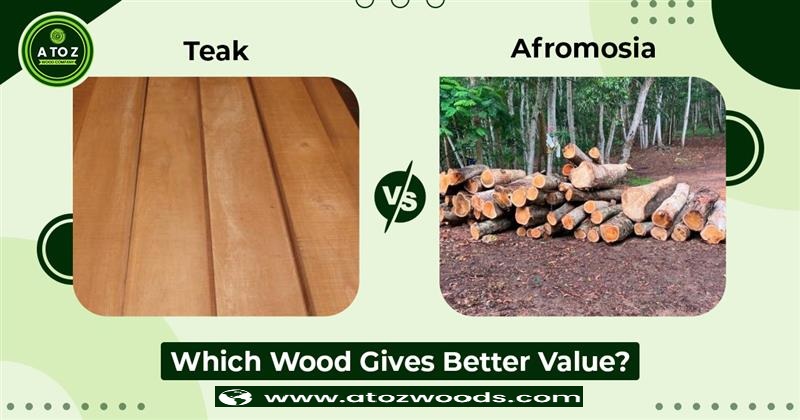
Teak vs Afromosia: Which Wood Gives Better Value?

teak vs afromosia

When choosing a premium hardwood for construction, furniture, decking, or marine applications, Afromosia wood and Teak wood are often compared due to their similar appearance, durability, and prestige. Both species are globally recognized for their strength, resistance to decay, and long service life. However, their origin, physical properties, sustainability, price, and best-use cases differ significantly.

This in-depth comparison of Afromosia vs Teak will help importers, builders, and designers make an informed decision based on performance, cost, and application requirements.

Overview of Afromosia and Teak

What Is Afromosia Wood?

Different colors of afromosia wood

Afromosia (Pericopsis elata), often referred to as African Teak, is a high-value tropical hardwood native to Central and West Africa, particularly Cameroon, Ghana, and the Congo Basin. Despite the nickname, Afromosia is not true teak but closely resembles it in appearance and durability.

Afromosia is widely used for luxury flooring, furniture, doors, windows, and exterior joinery, especially in European markets.

What Is Teak Wood?

different color teak wood

Teak (Tectona grandis) is a world-famous hardwood primarily sourced from Myanmar, India, Laos, and plantation-grown regions in Africa and Latin America. Genuine teak lumber is known for its natural oils, silica content, and exceptional weather resistance, making it a preferred choice for marine applications and outdoor furniture.

Afromosia vs Teak: Side-by-Side Comparison

Property Afromosia Wood Teak Wood
Botanical Name Pericopsis elata Tectona grandis
Origin Central & West Africa Southeast Asia, Africa, Latin America
Density (12% MC) ~650–700 kg/m³ ~630–680 kg/m³
Durability Class Class 1–2 (Very Durable) Class 1 (Extremely Durable)
Natural Oils Moderate High
Termite Resistance High Very High
Color Golden brown to dark brown Golden yellow to medium brown
Stability Excellent Excellent
Sustainability Regulated & certified sources Scarce natural forests, plantation supply

Durability and Lifespan

Afromosia Durability

Afromosia is classified as very durable, offering strong resistance to rot, fungi, and insects. When properly dried and treated, it performs exceptionally well in both interior and exterior environments, with a service life exceeding 30–40 years.

Teak Durability

Teak is often considered the benchmark for durability. Its high oil and silica content naturally protect it from moisture, saltwater, and pests. Teak products can last 50+ years, even in harsh marine or outdoor conditions.

Strength and Mechanical Properties

Both woods exhibit excellent strength-to-weight ratios, making them suitable for structural and decorative uses.

  • Afromosia offers high bending strength and good shock resistance, ideal for flooring and joinery.

  • Teak has slightly lower bending strength but superior dimensional stability due to its oil content.

For most architectural and furniture applications, both species perform exceptionally well.

Appearance and Aesthetic Appeal

Afromosia Appearance

  • Rich golden to dark brown tones

  • Straight to slightly interlocked grain

  • Smooth, uniform texture

  • Ages beautifully with a deep patina

Teak Appearance

  • Golden yellow to honey brown

  • Straight grain with occasional waves

  • Natural luster due to oils

  • Develops a silver-grey patina outdoors

Workability and Finishing

  • Afromosia machines, sands, and finishes well, though interlocked grain may require sharp tools.

  • Teak is easy to work with but can dull tools due to silica content.

Both woods accept oils and finishes well, but teak often requires less surface treatment due to its natural oils.

Price and Market Availability

Afromosia Wood Price

Afromosia is generally more affordable than genuine teak, especially in bulk quantities. Pricing varies based on:

  • Thickness and grading

  • FSC or legal certification

  • Kiln-dried vs air-dried supply

Teak Wood Price

Teak is among the most expensive hardwoods globally, particularly Burmese teak, which is limited by trade restrictions. Plantation teak is more accessible but still costly.

Cost Advantage:
Afromosia offers teak-like performance at a lower price, making it attractive for large-scale projects.

Sustainability and Legal Considerations

Both species are regulated due to high demand.

  • Afromosia is listed under CITES Appendix II, requiring legal documentation and sustainable sourcing.

  • Teak natural forests are heavily restricted; plantation teak is the most sustainable option.

Reputable suppliers like AtoZ Wood Company follow strict sustainable harvesting practices, legal export documentation, and responsible forest management.

Best Applications: Afromosia vs Teak

Choose Afromosia If You Need:

  • High-end flooring and staircases

  • Doors, windows, and interior joinery

  • Luxury furniture

  • Teak-like appearance at a better price

Choose Teak If You Need:

  • Marine decking and boat building

  • Outdoor furniture and cladding

  • High-moisture environments

  • Maximum longevity with minimal maintenance

Final Verdict: Afromosia or Teak?

There is no single “better” wood—only the right wood for your application.

  • Teak remains unmatched for marine and extreme outdoor use.

  • Afromosia is an outstanding alternative, delivering durability, beauty, and stability at a more competitive cost, especially for architectural and interior projects.

For buyers seeking bulk hardwood supply, certified African timber, and global export support, Afromosia presents exceptional value. AtoZ Wood Company supplies legally sourced, sustainably harvested Afromosia and premium hardwoods in bulk and custom sizes for international market.